4 Things I Wish I Knew When I First Started My Restaurant Business In Lagos, Nigeria
I’m back with something substantial today. Something I wish was out there when I first began on this crazy adventure of “foodiepreneurship” in Nigeria.
Some backstory…
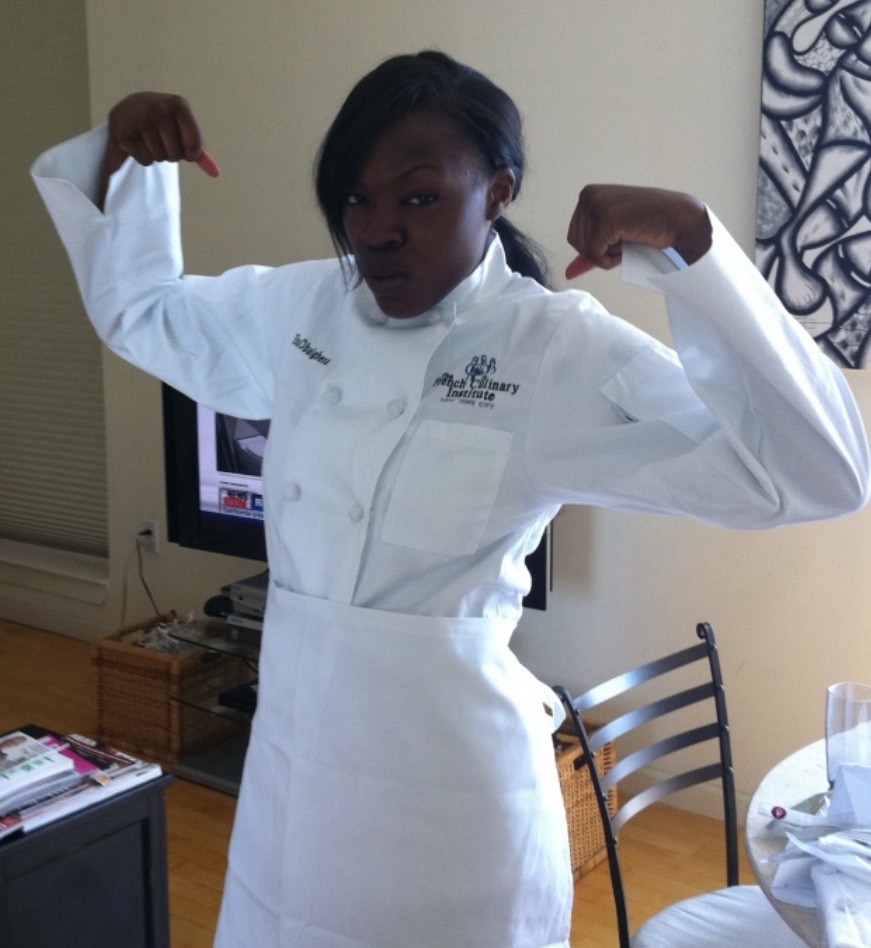
I didn’t enter into this totally blind. I went to culinary school in 2011 (The French Culinary Institute) where I learnt about the foundation of cooking, kitchen structures, food costing and menu design for traditional restaurants. The school also had its own restaurant that we had to work in, enabling us to put theory to practice. We were also required to apply to “stage” (a.k.a. intern) at a restaurant in the city, giving us ample opportunity to learn about the restaurant industry before graduation. So I would have class in the morning and run off to my restaurant job in the evenings.
After graduation I continued working at restaurants, and even moved cities. In all, before starting my own venture, I had worked at five restaurants in three cities – New York, Madrid and London. Three of these restaurants were fine dining establishments (two of which had Michelin stars), one was casual, and one was a catering business. I had experience working in every station in a traditional kitchen brigade, and even had some admin experience.
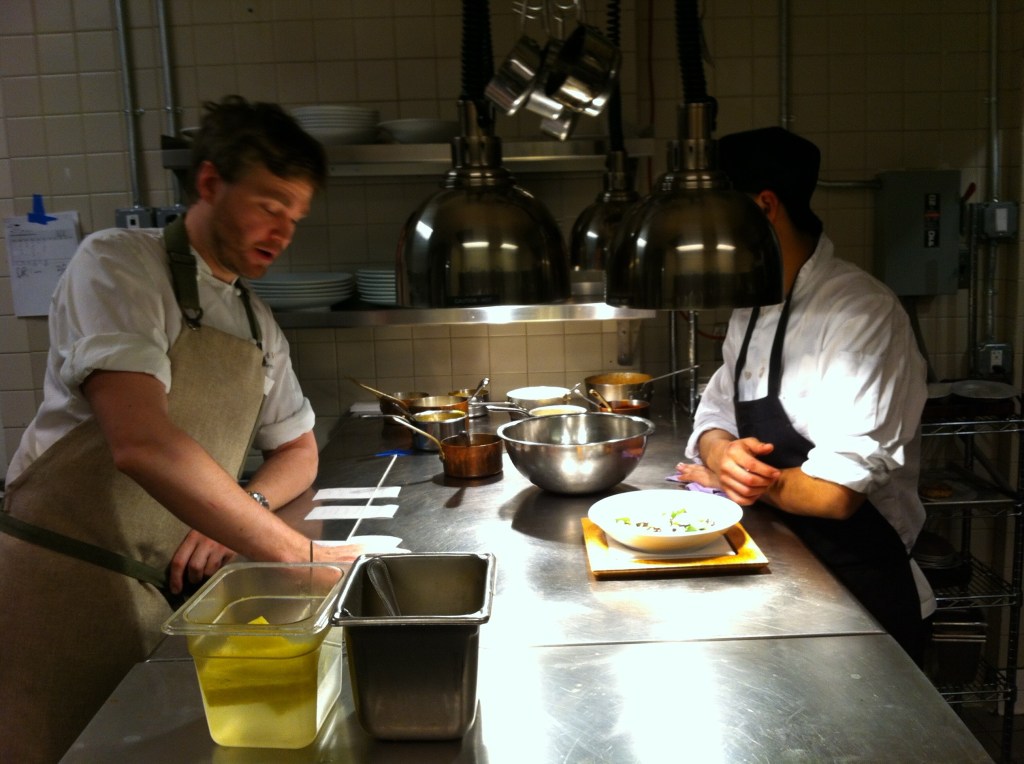

As prepared as I was, however, there were still many lessons to learn. Particularly in the actual business side of owning and operating a restaurant.
Lesson One: “Location, Location, Location”
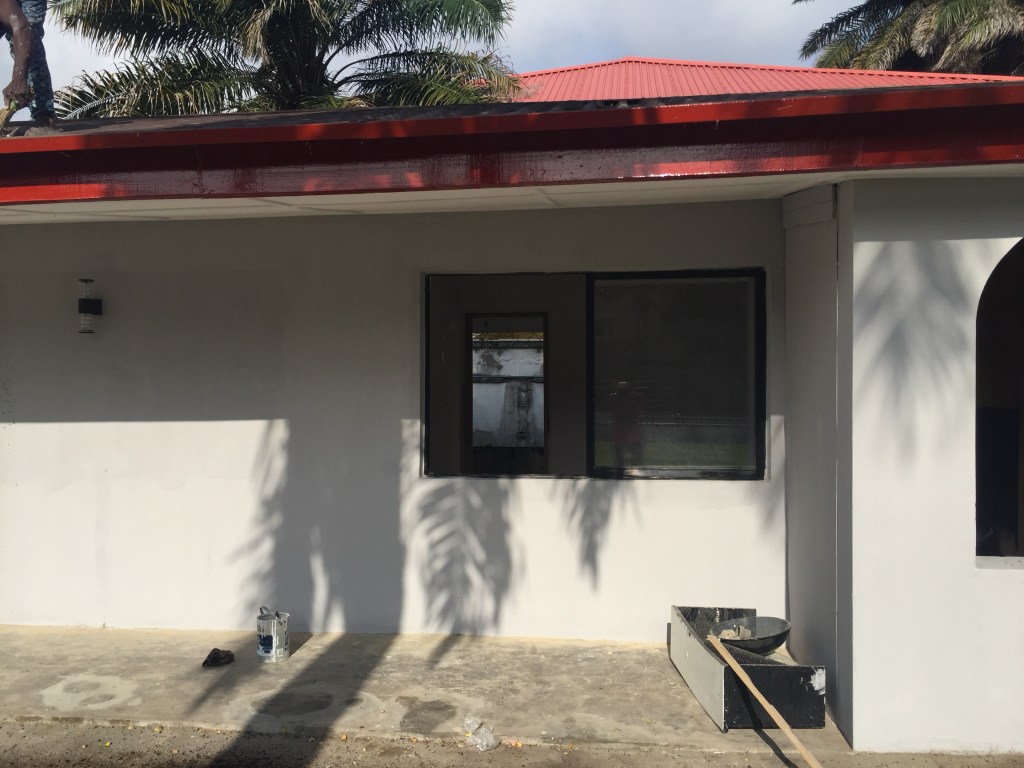
I launched Toasties from a very small 8sqm store in a brand new boutique mall that was located in a primarily residential neighborhood in Ikoyi. We were one of the first few tenants to begin operations there. The building was a converted home with a swimming pool, security house and Boys Quarters (B.Q.). Toasties was located in the farthest B.Q. from the main entrance gate, tucked away at the back of the building. I couldn’t afford a food truck at the time, so I recreated the concept in this space with only a kitchen and a sliding window from which we took orders. We had zero seating in our early days.
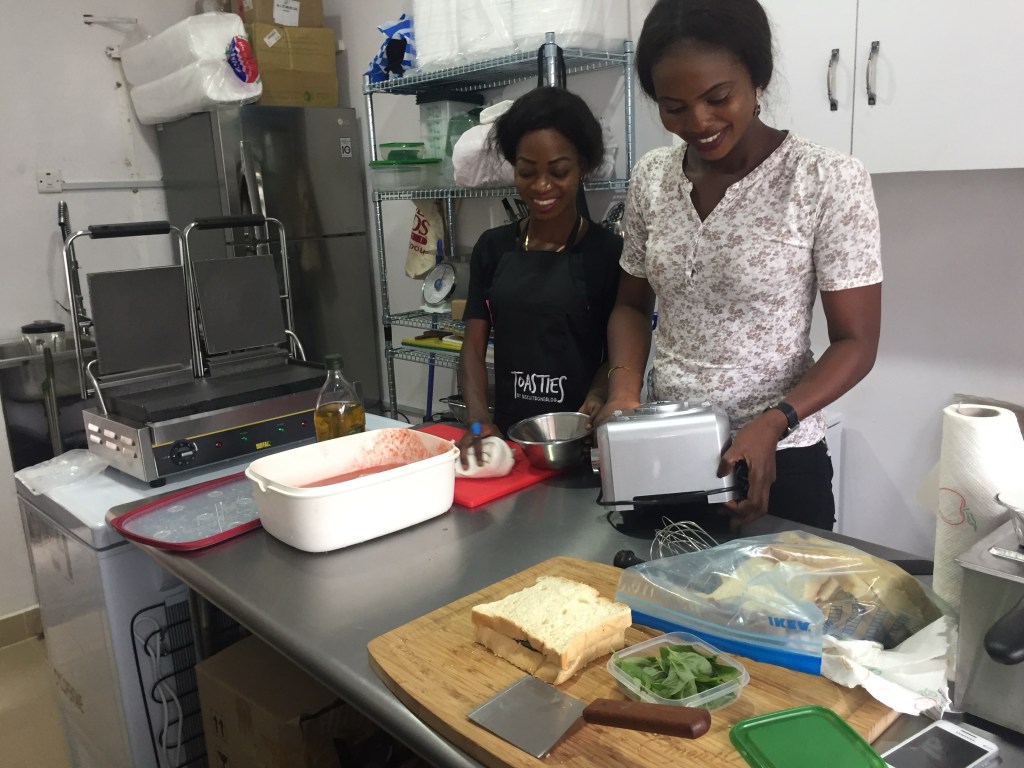
Let’s just say we weren’t exactly set up for success.
We were targeting working professionals and hoping to bring our diverse sandwich options to them. However, we didn’t offer delivery service because the Chef in me was insistent on serving our toasties fresh off the grill, while they’re still crisp on the outside and juicy in the center. Unfortunately we had no seating, so customers would still have to transport their toasties back to the office/home to dig in, thus defeating the point (save for the few who would devour them standing or in their cars). There was also no signage on our building, so for those customer who did venture out of their way to find us, our store was difficult to locate, both on Google Maps (which was still shaping up back then) and within the mall building.
Our goal was to offer convenience, but our setup and location made this difficult.
When choosing a location for your restaurant, it’s important to take time to conduct market research. Who is your customer? Where do they live and work? What is your business concept and why would they choose to patronize you over the competition? Are there similar concepts to yours in the area? Why or why not?
There certainly isn’t a one-size-fits-all approach here as different restaurants appeal to different customers for varying reasons. In my case where convenience is a top selling point, rather than choose a location based on what was convenient for myself (price, commute, etc.), I should have chosen a location based on what was convenient for our customers. If your top selling point, however, is the experience, then a tucked away nook may be part of the sell. This is why it’s important to define your customer and flesh out what is important to them. Planning with them in mind and getting the basics right can save you a lot of time and money in the long run.
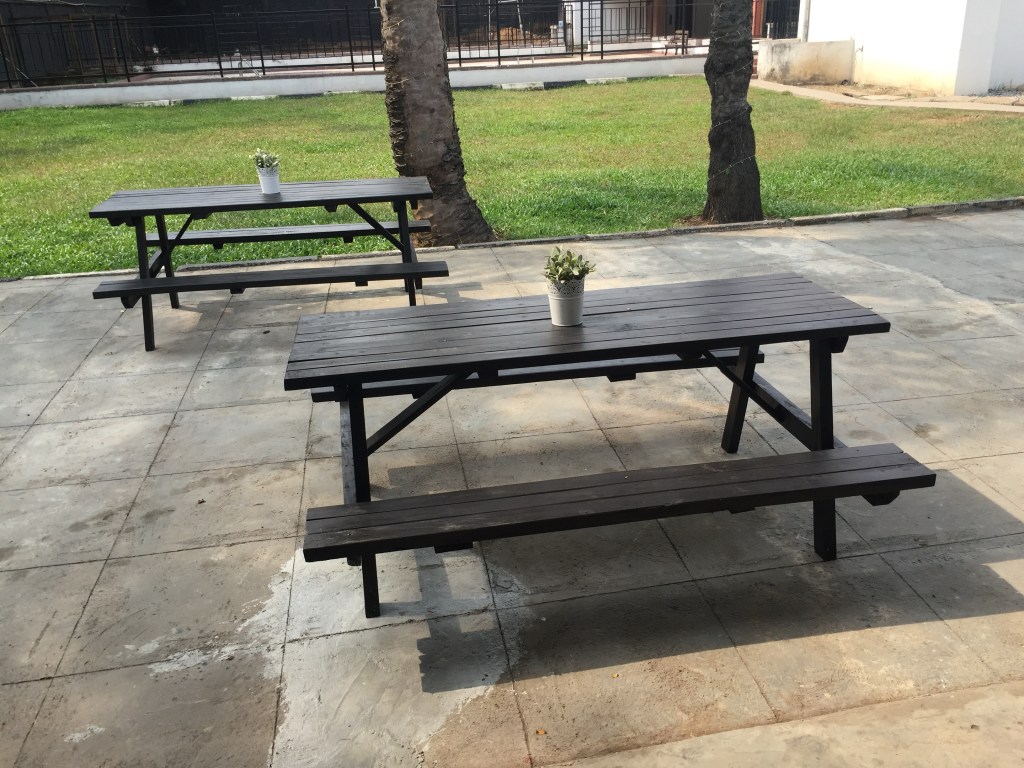
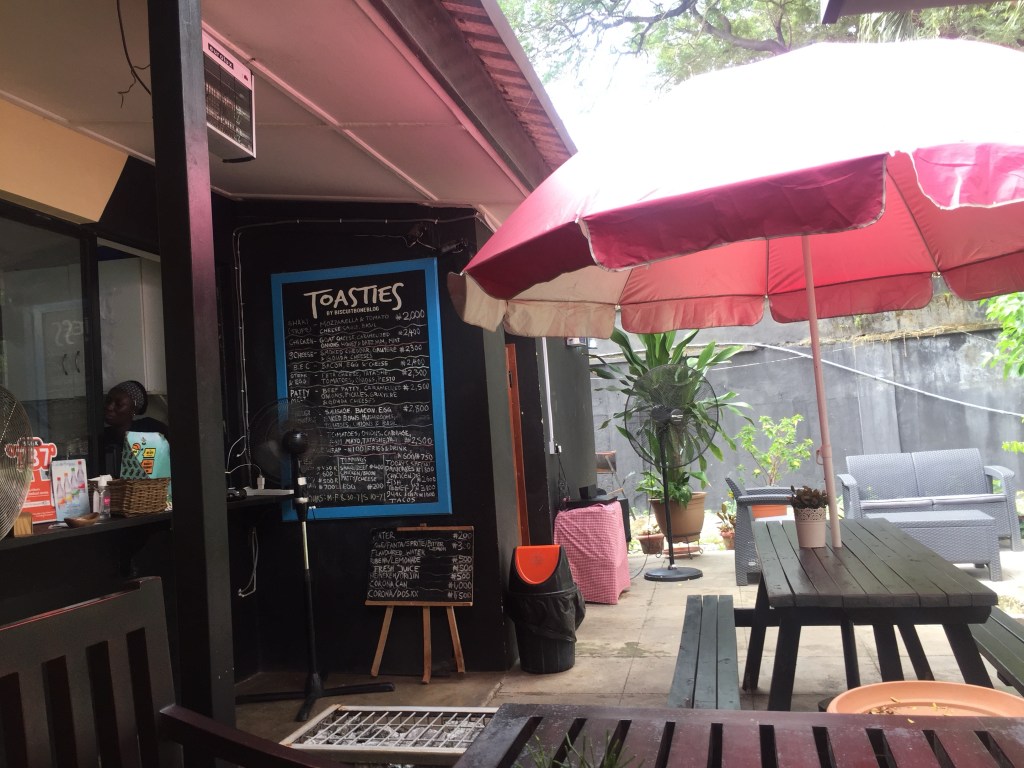
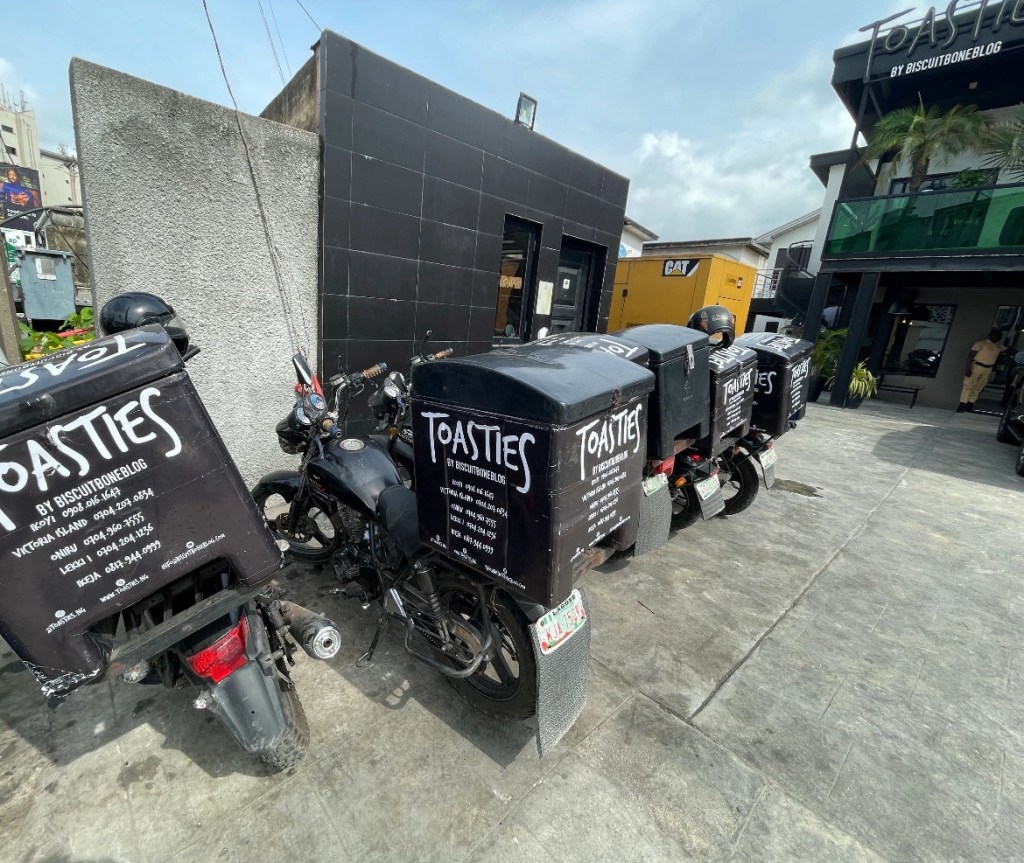
Not surprisingly, even with a delicious product – if I do say so myself – sales were abysmal in those early days. We eventually did switch to offering delivery service, added seating and put a sign at the front of the building, all of boosted sales. Unfortunately, more work was still to be done to get our name out there…
Lesson Two: “Best Known Beats Best”
You can have the best product in the world, but if no one knows about it, they can’t patronize your business.
What are you doing to get your business known?
In addition to having no building signage and an outlet that was difficult to locate in the early days, Toasties had a very small online presence and no real marketing strategy. Marketing was not my strong suit, so the fact that we were missing out on great selling opportunities was not yet obvious to me. “Build it well and they will come in due time” was my thinking. We just needed to ride it out. While there is some truth to this, the fact is there is a lot of growth potential to be had from the very beginning, if you play your cards right.

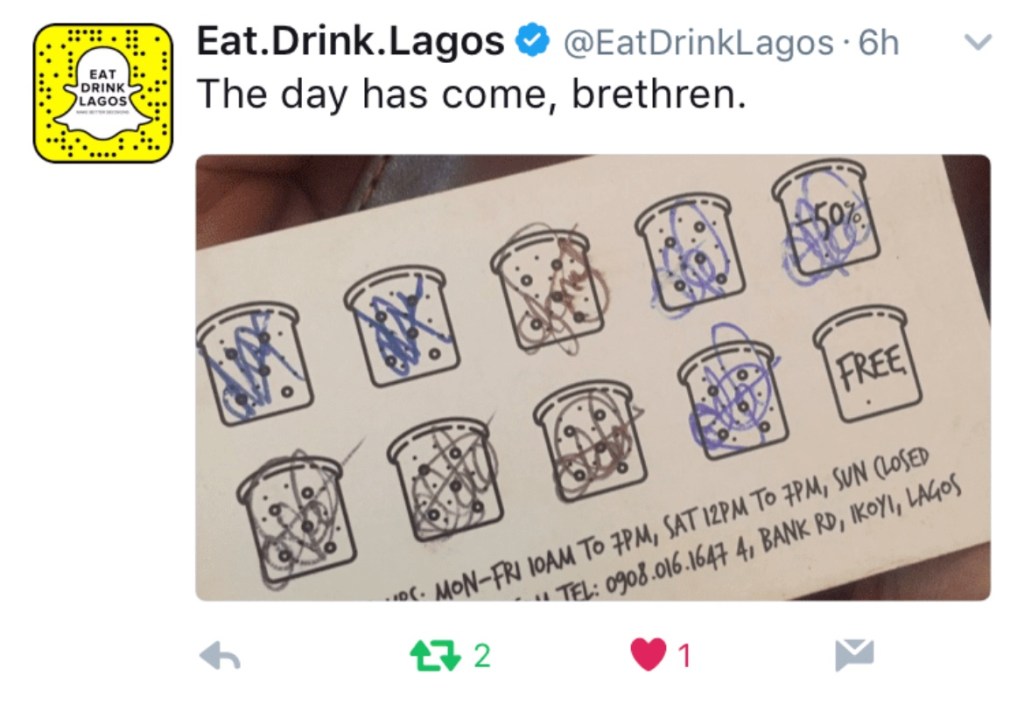
While word-of-mouth and Instagram posts were our primary marketing strategies, there was so much more we left untapped. For instance, with little market research conducted from the onset, we hadn’t realized that there were several large offices sprinkled around our us. It wasn’t until their employees started to visit us and say, “I didn’t know you were here,” or, “I found out from a colleague/friend,” that we were forced to investigate the potential. Lucky for us we were eventually able to tap into this, but had we not been surrounded by these businesses, we may not have survived in this location.
From day one, consistent efforts should be made to learn about your businesses’ full potential. Where are your customers and how can you reach them? Have you tried cold calling, email marketing, social media ads and posts, discount offers, etc.? Are there creative ways to draw customers to you, such as events, partnerships, limited time offers, etc.? Are you spending enough to make an impact?
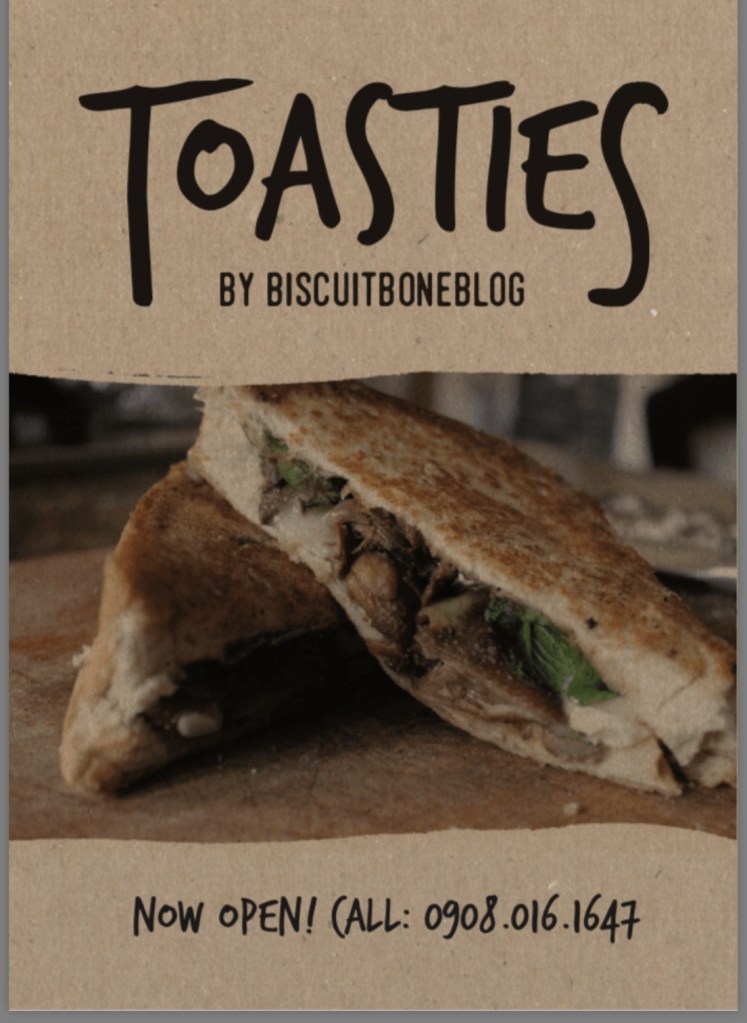
Having a plan and creating a budget for marketing is incredibly important. What we should have done from the beginning is map out all the offices within our vicinity and aggressively market to them, rather than wait for them to discover us slowly over time. Including the cost for marketing and advertising into your prices, and actively setting funds aside for this purpose is a major key for marketing success.
Lesson Three: “K.I.S.S. (Keep It Simple, Stupid)”
It’s important to not over complicate things. From your menu, to your kitchen layout and general operating systems – simplicity is key.

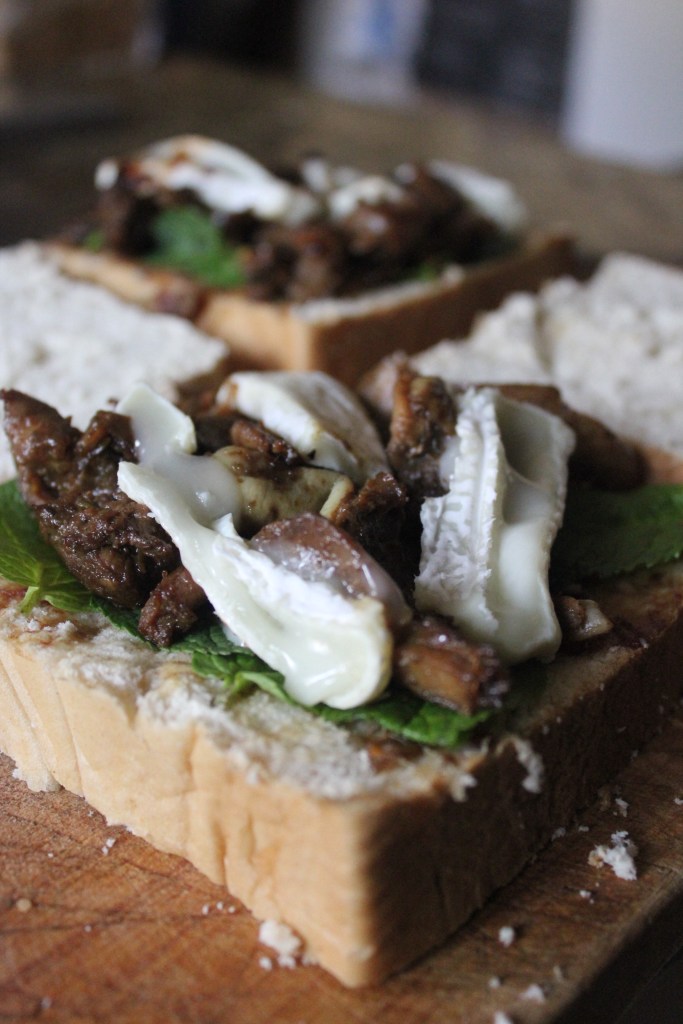
Toasties launched with two sandwiches and two fries options on the menu. I knew from my experience working in restaurants that our kitchen was too small to be able to manage large menu. I also wanted to minimize our propensity for waste since I still didn’t know what our demand would be like. Over time, as our customer base grew, we began to increase our offerings – carefully. As we began introducing more ingredients to the menu, we would look at ways to create even more menu options from these new ingredients, to further reduce the potential for waste.
One aspect I later came to understand was the importance of prep projections. Using historical sales data to predict how much food to prepare in a particular day will also reduce waste from over-prepping, or reduce loss of sales from under-prepping.
Simplicity also helps when training teams. The more there is to learn, the longer your onboarding process. The longer your onboarding process, the more money you’ll spend on the life cycle of each employee in a high turnover industry. For instance, if the life cycle of each employee is six months and it takes three months to fully onboard them, you will only get three months of their full potential. Whereas if your onboarding process takes one month, you’ll get five months of their full potential, therefore gaining more value for the lifetime of each employee.
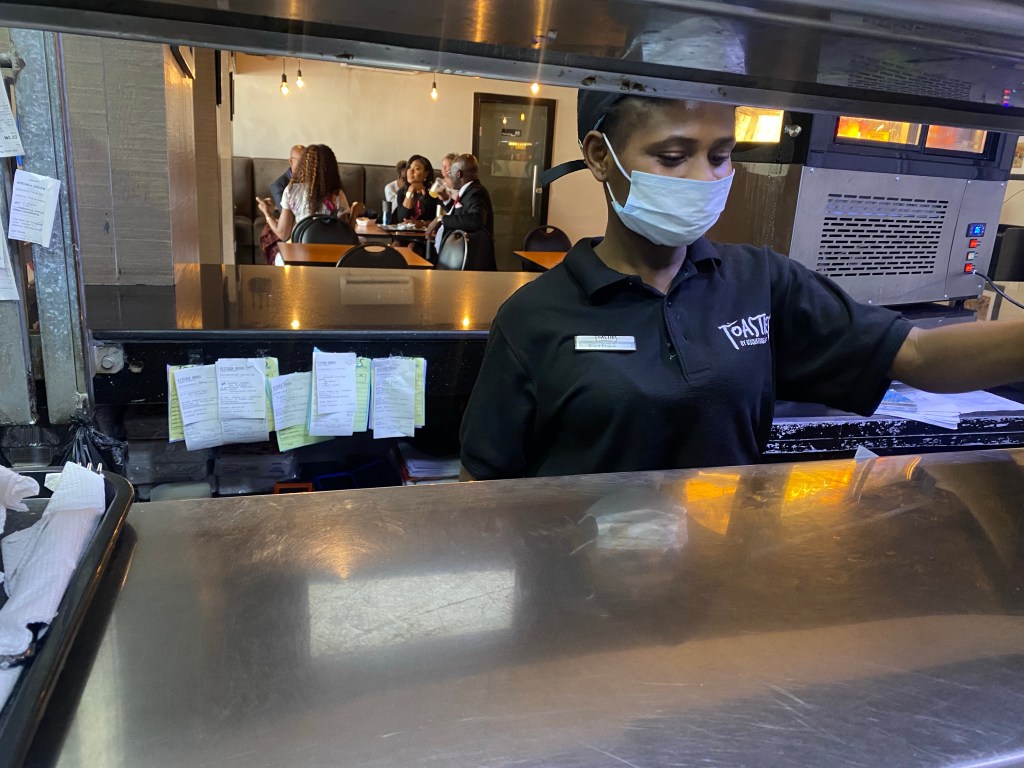
Simplicity in your menu will also affect your kitchen layout and save you from overspending on equipment you do not need. Additionally, a smaller and less varied menu can increase your speed of service by requiring fewer steps to get each dish to a customer. As a rule of thumb, the fewer movements an employee needs to make to prepare a dish, the faster you can serve your customers. This is important to keep in mind when designing your kitchen.
Lesson Four: “Know Your Numbers”
How can you know where you’re going if you don’t know where you’ve been?
Staying on top of your data is vital for making informed decisions about your business. It is essential to have processes that track your sales, expenses, inventory, employee performance, marketing and everything in between. There’s no such thing as “too much data” when is comes to measuring your business’ performance.
In the early days we would use manual processes. While manual record keeping is better than no record keeping, please avoid this practice. Manual processes are far easier to manipulate and make mistakes with. As much as possible, strive to automate your systems early on in your business – after all, it is harder to unlearn a bad system than it is to do things right from the beginning.
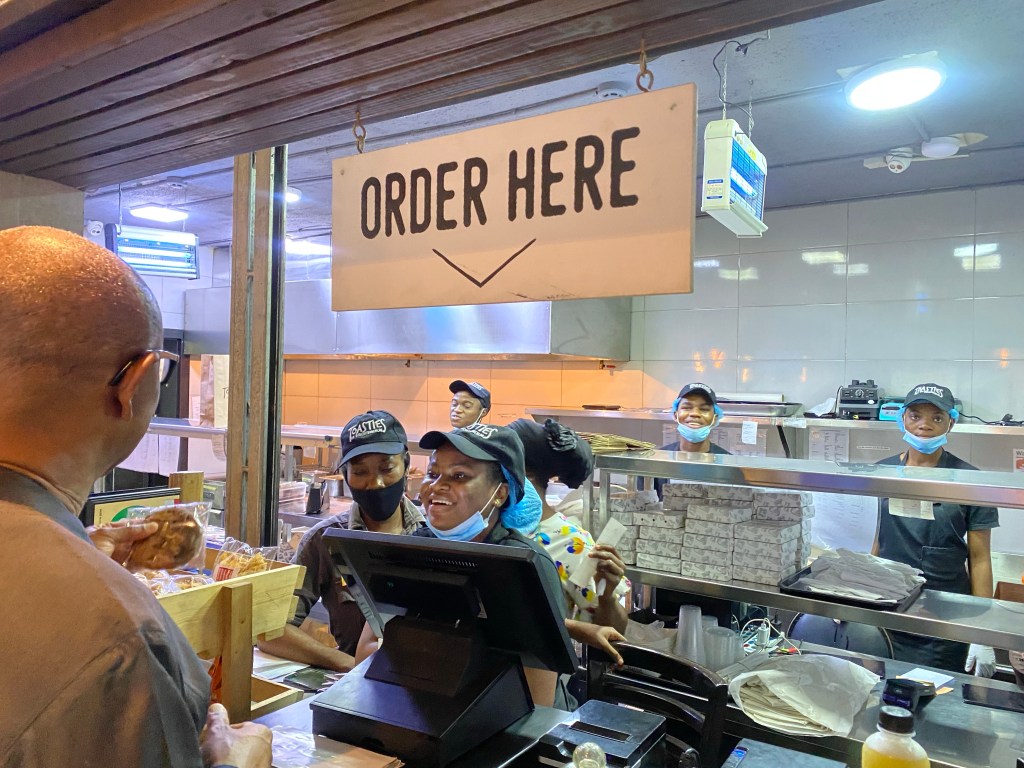
My recommendation is to use a solid Point of Sales system that automatically tracks your sales and stock levels. Ensure these systems are used to reconcile your sales data on a daily basis. Also make sure you generate monthly finance reports that will help you to make more informed decisions in the future.
Just the tip of the Iceberg…
There’s so much more that I have not touched on today, but I’ll leave things here for now and circle back later.
In summary, taking time to understand the business you are entering – whether through training, research or a key hire – will put you in a stronger position. Ask yourself the right questions and implement strong processes. These key steps can save you a lot of money over time. And while it is still possible to grow your business in the absence of many of these suggestions, wouldn’t you prefer to get the most out of your time an efforts?
Take a moment to reflect on what you’re doing well, and look for areas you can improve.
I hope this post was useful.
Let’s stay connected
Follow @biscuitboneblog on Instagram and Twitter (“X”) for more updates. Also check out our companies, Toasties and Board, for more context. Or my personal page, if you simply can’t get enough.
Is there anything else you’d like to know or share about the food industry? Leave a comment or send a message.