Signs your restaurant business is probably losing money
If there’s a restaurant out there that hasn’t lost money before, I’d like to hear from them! 😆
Especially in Africa, where “poor business practices” is listed amongst the top three reasons why 80% of businesses fail within the first five years (source).

If it’s your first time running a restaurant business, you’re going to make mistakes. Particularly in Africa, where access to sound information about how to effectively operate your business is not as easy to come by (that’s what we’re here to fix!). The key is not to wallow in these mistake, but to course correct immediately. *Read that line again!
While there are many different ways to stay on track, if you don’t have the following areas in check, your business could be losing millions of NGN!
Here are some glaring red flags to look out for:
Manual recording processes
Manual record keeping processes are rampant across Africa, where use of technology is not widespread in many regions. Both small and large enterprises are still guilty of manual processes to varying degrees. Unfortunately, manual systems are easy to manipulate and become prone to human error.
When it comes to your restaurant business, automating as many processes as possible is key to not only adequately capturing sales and minimizing losses, but to saving time and running an overall more efficient ship.
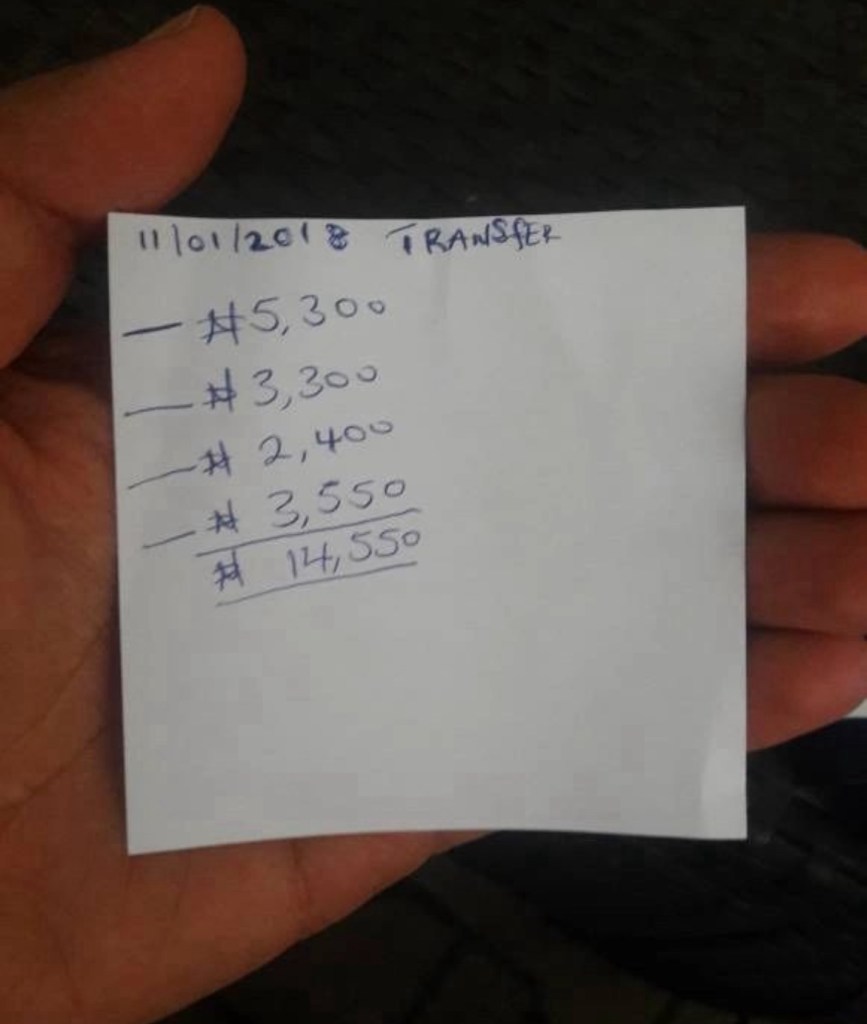
If you’re still recording sales or stock movement with a pen and paper/notebook, it will be difficult for you to mitigate theft and general human mistakes. Especially as your business grows and you begin to hire more people and manage higher volumes of inventory and sales.
Using a sound Point of Sales (POS) system that automatically records sales data, issues receipts and is linked to your stock levels will help to depict a better picture of your business’ health. This coupled with a strong finance team (or individual, depending on your capabilities) that is checking that the expected sales are actually coming into your business, and that the inventory you have received is accurately captured, will save you time and money.

Irregular reconciliation systems
How often do you reconcile sales coming into your business, or inventory stock movement?
If your business is one that reconciles every few months, or worse, only when an issue arises, this is a major red flag. It is essential to get into the habit of regular reconciliation.
The ideal standard for sales reconciliation is daily. You want to make sure that you’re comparing recorded sales transactions in the POS system with the actual cash and card/transfer payments coming in daily. This allows you to identify any discrepancies or errors in the sales data, such as missing transactions or incorrect totals.
When it comes to inventory, your rate of reconciliation may vary depending on your business’ overall volume and the type of cuisine.

It is common for restaurants with lower inventory turnover to reconcile stock on a weekly basis. This allows them to closely monitor their inventory levels, identify any discrepancies or issues, and make necessary adjustments to their ordering and purchasing.
On the other hand, restaurants with higher inventory turnover may opt for a monthly reconciliation. This frequency allows them to analyze trends over a longer period and make more informed decisions regarding their inventory management.
Regular reconciliation will enable you to quickly identify and address issues such as theft, incorrect pricing, or system errors. It also gives you an accurate understanding of your daily sales performance, enabling you to make informed decisions regarding inventory management, staffing, and financial reporting.
Poor monitoring of food costs
It’s not enough to have a well costed out recipe that you share with your teams to follow when preparing dishes. How does your business ensure that employees are accurately following these recipes?

In the face of constant raising food costs, measurements need to be put in place to ensure that what you are sending out of your kitchen is what your customers are paying for. This is why using accurate measuring tools, rather than relying on the hunches of different team members, is essential.
Using scales and uniform tools (e.g. measuring spoons, cups, etc.) to accurately measure what you are sending out will save you from over or under-serving guests. This is also crucial for maintaining consistency in taste and quality, and reducing the likelihood of human error.
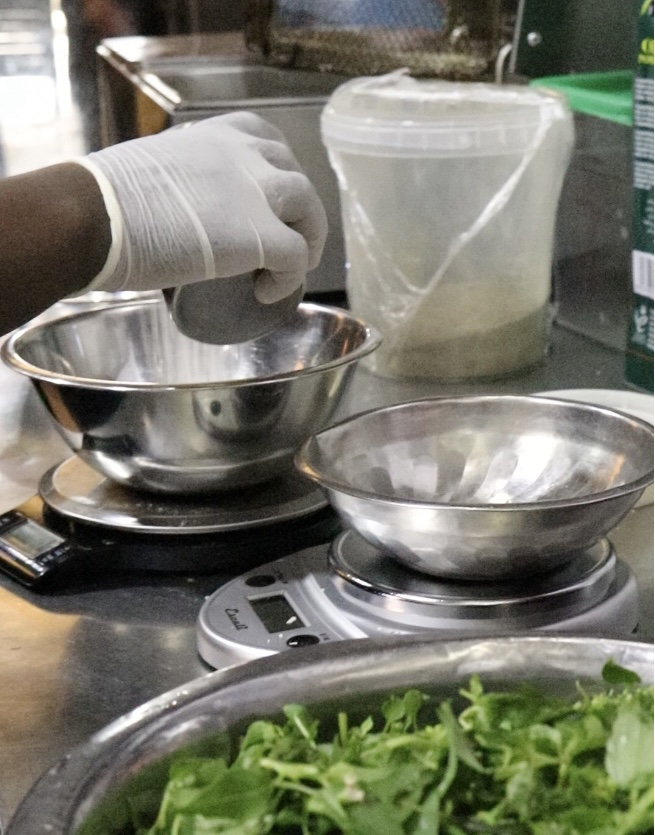
Staying on top of correct portioning will also help you stay in line with the food costing you have used to establish your menu prices.
Poor monitoring of overhead expenses
The cost of your food (a.k.a. Cost of Goods Sold or COGS) is not the only cost you need to keep an eye on.
How are you monitoring other crucial business running costs such as electricity usage, generator diesel and maintenance, fuel for your vehicles, employee salaries, rent and other general maintenance costs outside of your COGS? Have you accurately factored these into your menu prices?

Tracking your overall expenses on a monthly basis will allow you to correctly determine the prices on your menu. As your operating costs change, make sure you are staying on top of price reviews to ensure your restaurant is not losing money by undercharging customers for the full cost of your service.
Something just isn’t adding up
As the old adage says, “where there’s smoke, there’s fire.”
Experience has taught me time and time again, that if something isn’t making sense – there is more to it. Whether it’s that the expected cash from sales isn’t quite adding up, or that the product yield after cooking is not as expected, whenever there’s something you can’t quite put your finger on, it’s important to take a second look.
Whatever you do, do not ignore and sweep it under the rug! Just as interest compounds over time, problems compound, too. So those problems you leave unchecked will only continue to grow and grow over time, until they become so big that your business is in trouble!
Tying it all together
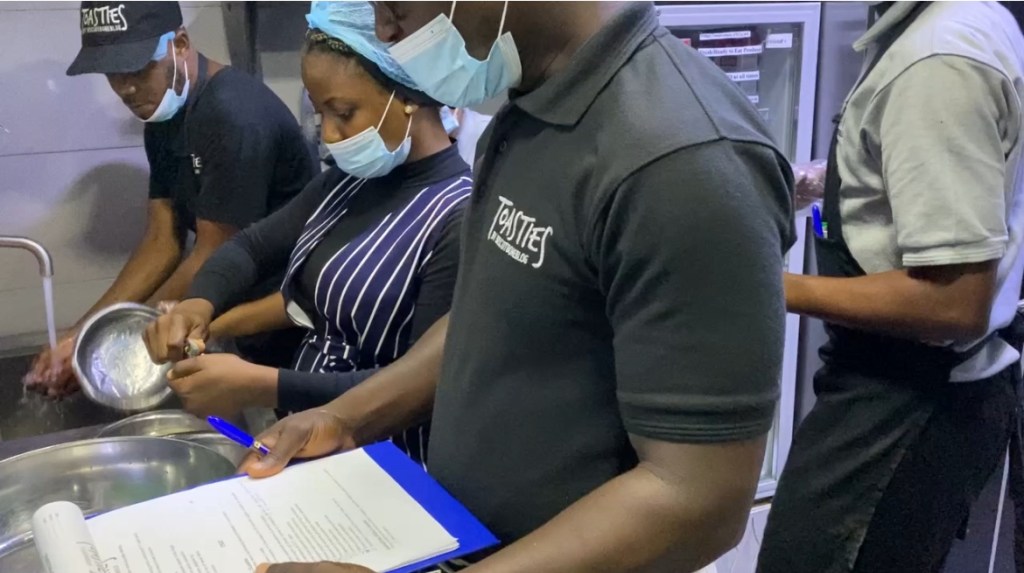
In conclusion, there are many areas to look at to ensure the efficient management of a profitable restaurant business. While we won’t always get it all right from the beginning, looking out for these key practices will keep you ahead.
Which points stuck out the most to you? Are there any other red flags you’d add to this list? Share them in the comments below.
Let’s stay connected
Follow @biscuitboneblog on Instagram and Twitter (“X”) for more updates. Also check out our companies, Toasties and Board, for more context. Or my personal page, if you simply can’t get enough.
Is there anything else you’d like to know or share about the food industry? Leave a comment or send a message.