Let’s Talk About Hiring, Training and Firing
If you live in a country like Nigeria, I’m sure you’ve heard all about how “good employees are difficult to find” – particularly within the service industry. There’s no doubt that an auntie, uncle or friend of a friend has shared some nightmarish story about how an employee had carted away with company funds or assets, treated a customer terribly, made some seemingly abominable mistake, or all of the above.
I myself would absorb these stories in the early days, and when I began to experience them within my own company, I took them as the standard – never really stopping to think about my hiring and training processes. Was I hiring people who were the right cultural fit for my business? If yes, was the onboarding process one that would give candidates the best chance for success? And finally, if a hire was clearly not the right fit, did I let them go or stay?
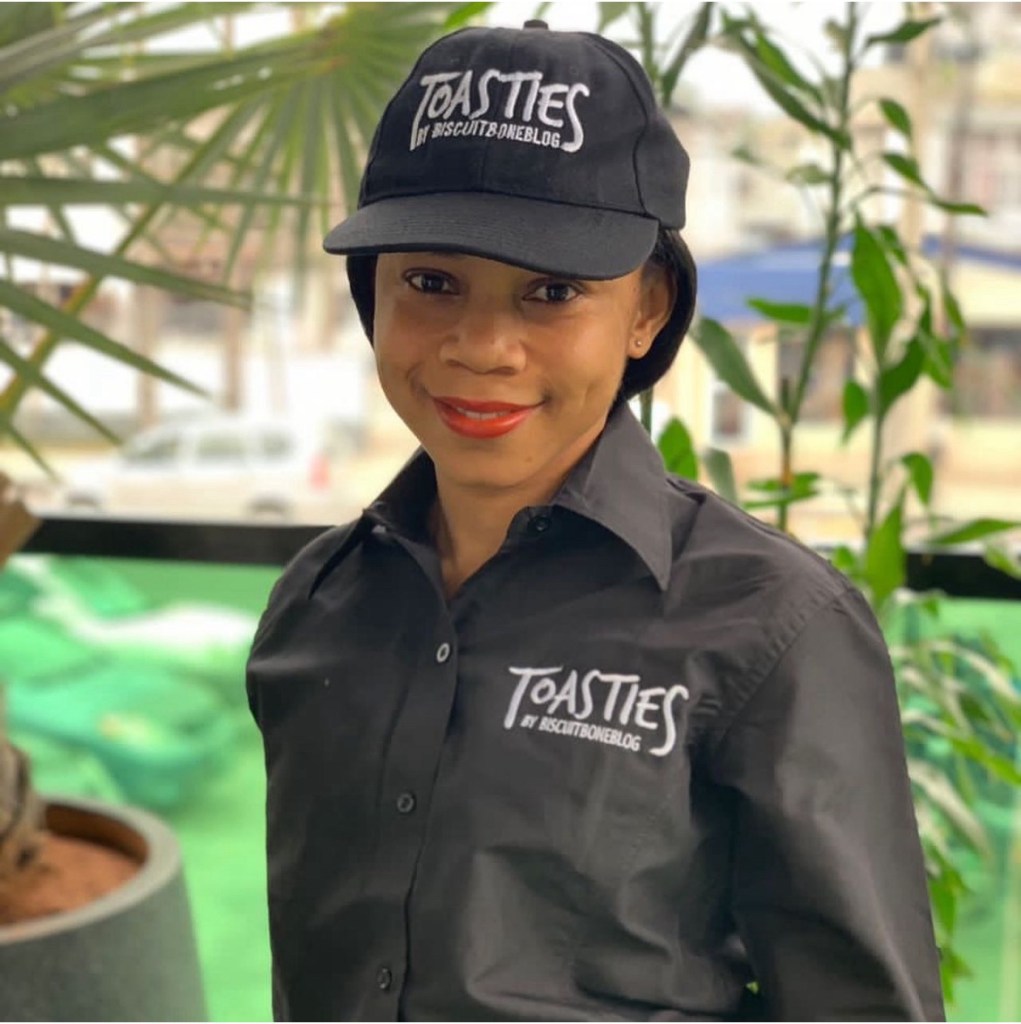
After much review, I would now argue that there are indeed good candidates out there. The question to consider is whether you are carefully screening and have a process that gives candidates the best chance for success. Because a bad system can repel any good candidate.
The hiring process
The way you select new hires matters. If you have no system in place for monitoring the entire hiring process and are relying on chance and hunches, how can you expect success? Having a slower more methodical hiring system will lower your chances of introducing bad candidates into your operation. After all, they say ‘what you give is what you get’ in return.
When I first started Toasties, a typical recruitment cycle would look something like this:
- Reach out to any recruiting agent (or friends and family) for leads
- Conduct interviews with candidates
- Reference check (sometimes)
- Verdict
If a candidate had any experience in the position being offered and carried themselves well during the interview, the final decision would come down to how well I could be sold. That was it. Today I can see how this recruitment system, which lacked a deeper understanding of a candidate’s capabilities, was not exactly reaping the cream of the crop.
Our recruitment system today looks more like this:
- Reach out to a trusted recruiting agent with a detailed job description
- Conduct preliminary interview with candidate
- Oversee hiring test to assess job knowledge (role dependent)
- Conduct second and third interview rounds with different review teams (role dependent)
- Reference check
- Verdict
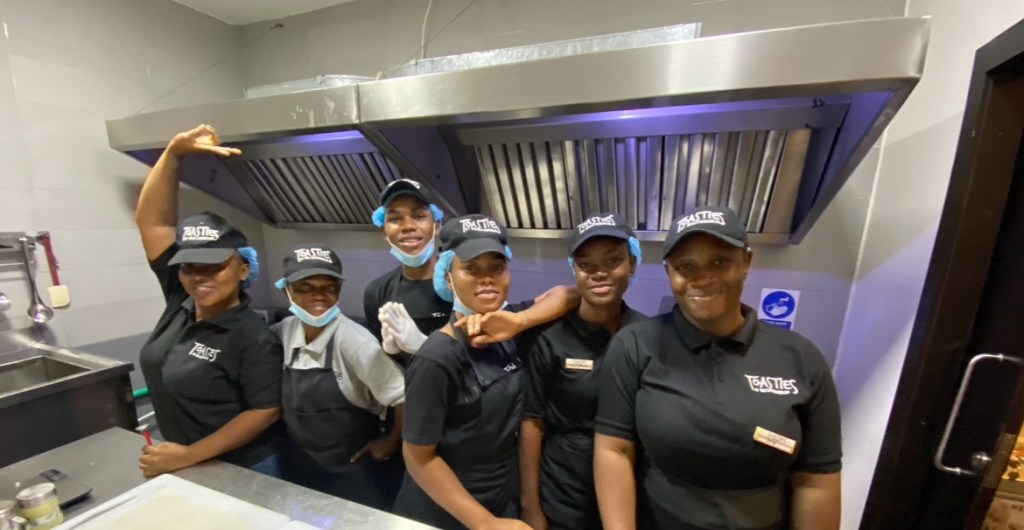
Taking the time to thoroughly screen a candidate’s capability will better position you for success. A system that evaluates candidates under different settings will allow you to assess against different criteria. Inviting other senior employees to be involved in interviews can also help with highlighting areas you may have missed. Finally, crosschecking with past employers can share more insights into a candidate’s capabilities.
The onboarding process
Many startup restaurants make the mistake of throwing a candidate straight into operations before ensuring they are fit for flight. In my early days I would often expect new hires to learn on the job and would task other employees with helping to train them. While this is still an important part of learning, it’s only one piece to the puzzle.
Without a strong orientation and introduction to a brand’s ethos and processes, a new hire will find it difficult to exemplify and communicate company values to customers. They will struggle to connect what they see being done to the reason behind it – a fundamental step towards understanding their role in relation to others.
A successful onboarding process should include the following:
- Clearly communicate start dates, work schedule and necessary documentation for Day One
- Share employee handbook, company policies and necessary training documents (may also send ahead of the resumption date so new candidates know what to expect)
- Introduce new hires to existing team members and show them around
- Conduct a comprehensive orientation of your company’s mission, values and goals
- Conduct detailed job-specific training sessions
- Set and communicate goals and expectations for the first few weeks/months, then conduct regular check-ins and feedback sessions to monitor progress
- Provide ongoing support and encourage open communication
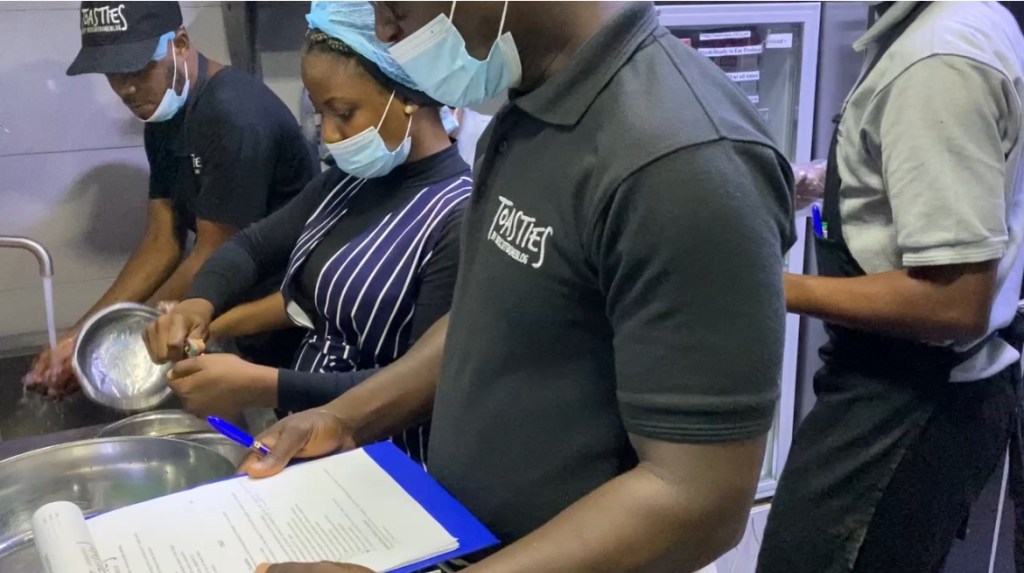
A strong onboarding process goes beyond just paperwork and orientation. It should focus on creating a positive and engaging experience for new employees, setting them up for long-term success within the organization.
Ongoing training
When Toasties had just three employees, including myself, monitoring and training the team on-the-job was more manageable. Once we started to grow, our practice of totally relying on old employees train new ones eventually became problematic. Without regular official training sessions, older staff had each developed their own operating methods over time, and these methods differed from person to person. This confused new hires who would eventually also introduce their own way of doing things – and on and on it went.
Without a consistent recurring training system, we would see more and more deviations from the script. To top it off, we would save official training days for when it became clear that the team had veered too far off script. This made our teachings even more difficult to implement since employees had already formed conflicting habits that were difficult to break.
What I’ve learnt over the years is it doesn’t matter how well you train your team – if you don’t have a recurring training system, they will gradually veer further and further away from the company guidelines. This leads to variations in taste, customer experience and other key brand identifiers.
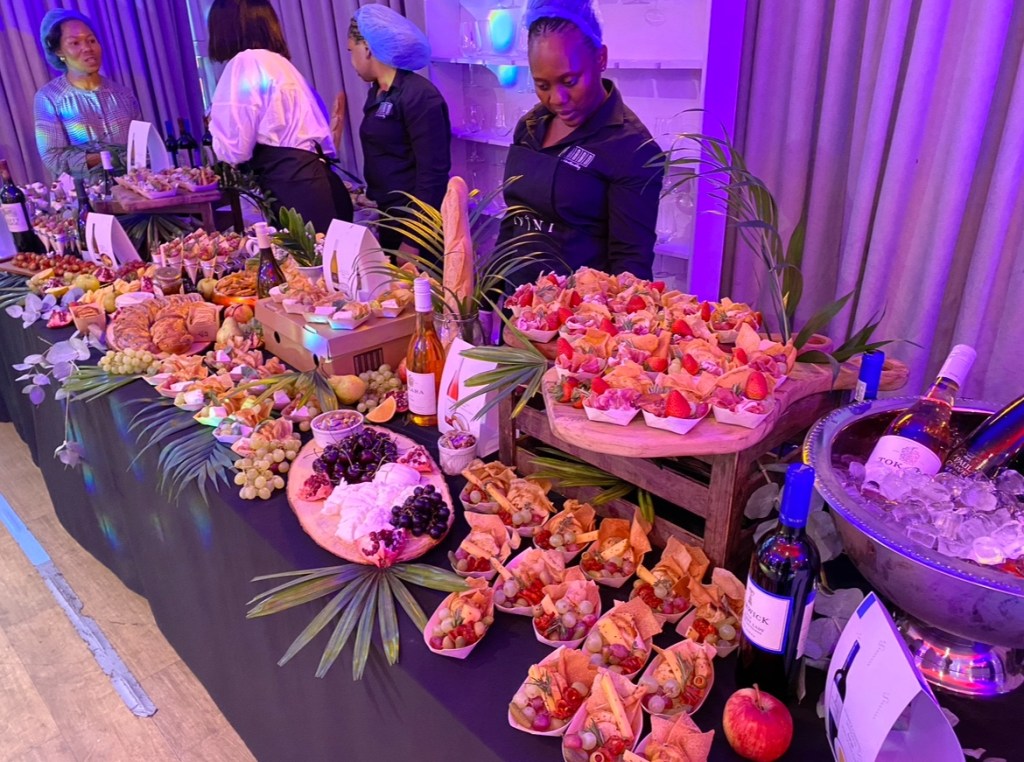
A successful training system should look like this:
- Regular ongoing sessions occurring weekly, monthly, and in some cases, quarterly – depending on the material
- Short, digestible information that is easy to understand, rather than long drawn-out, sometimes boring sessions
- Implement theoretical training sessions with engaging videos and practical sessions that allow trainees to put the theory to practice in an educative environment
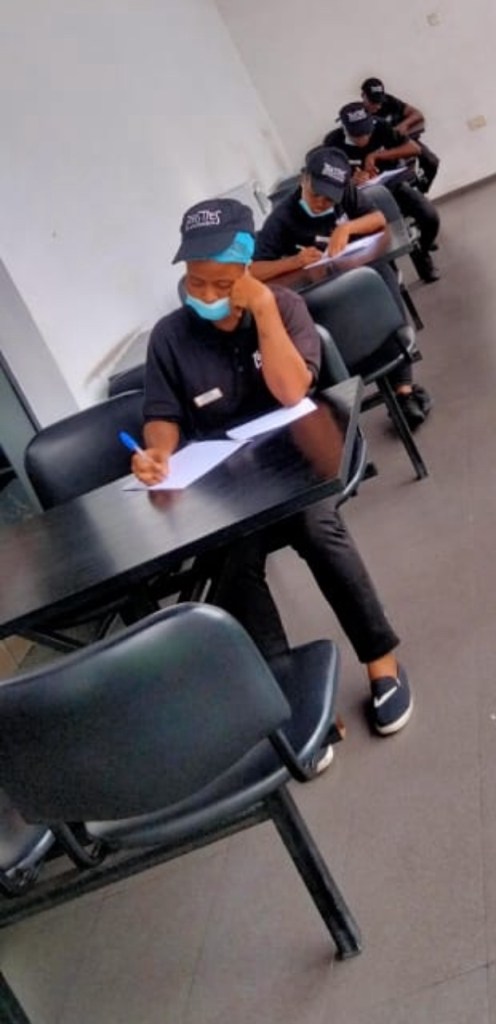
- Regular testing to ensure the information sticks
Training is crucial in ensuring that company offerings, policies, systems and guidelines are well communicated and understood. Both old and new employees should regularly participate in training sessions that keep things fresh and top of mind. Short, concise sessions that will not overload and overwhelm trainees is key – and testing will help you ascertain a candidates subject knowledge.
The firing process
The expression “hire slow and fire fast” comes to mind here. Aiming for a system that takes time to screen new candidates, but quickly removes those who are not a good fit is incredibly important.
Moving fast on removing poor performers will not only help to abort the poor practice in question, but will also serve as an example to other employees. Additionally, keeping bad performers will teach other employees about what the company tolerates, ultimately serving to influence them.
While firing can be uncomfortable, it simply just needs to be done when the time comes. Think of it as a bad cancer cell that spreads the longer it remains in a system. Do not jeopardize your operation for the sake of a few bad eggs!
In summary…
You can do everything right and still hire the wrong people. While having a thorough screening process may not totally eradicate this issue, it certainly does helps to reduce it. Simultaneously, the chances of having successful candidates will increase with a thoughtful and exhaustive onboarding and training system.
There’s more to discuss in the area of incentivizing candidates, but that’s a post for another day…
Let’s stay connected
Follow @biscuitboneblog on Instagram and Twitter (“X”) for more updates. Also check out our companies, Toasties and Board, for more context. Or my personal page, if you simply can’t get enough.
Is there anything else you’d like to know or share about the food industry? Leave a comment or send a message.